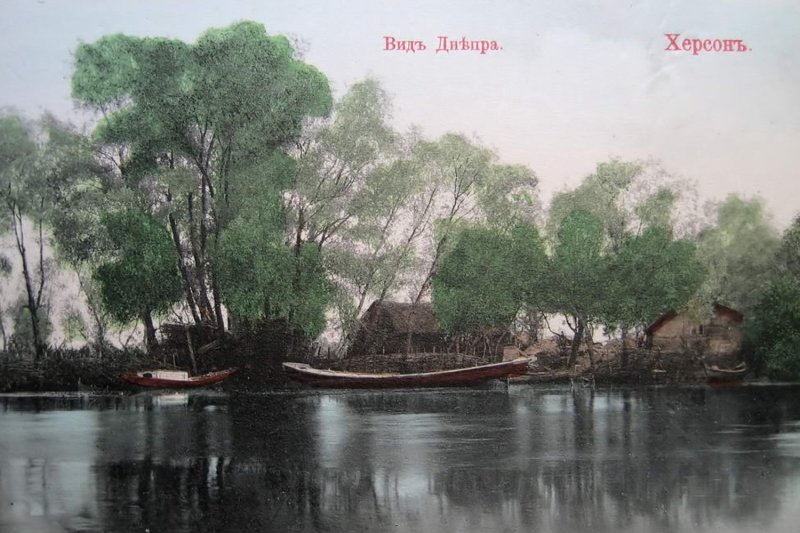
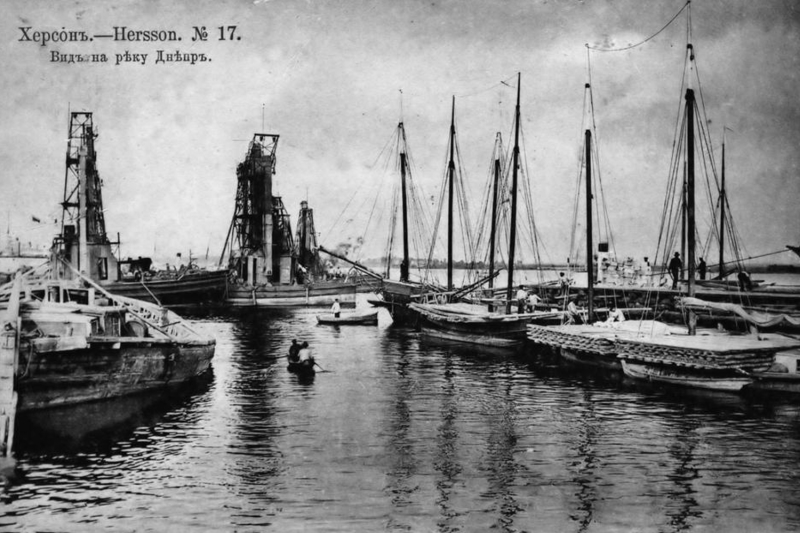
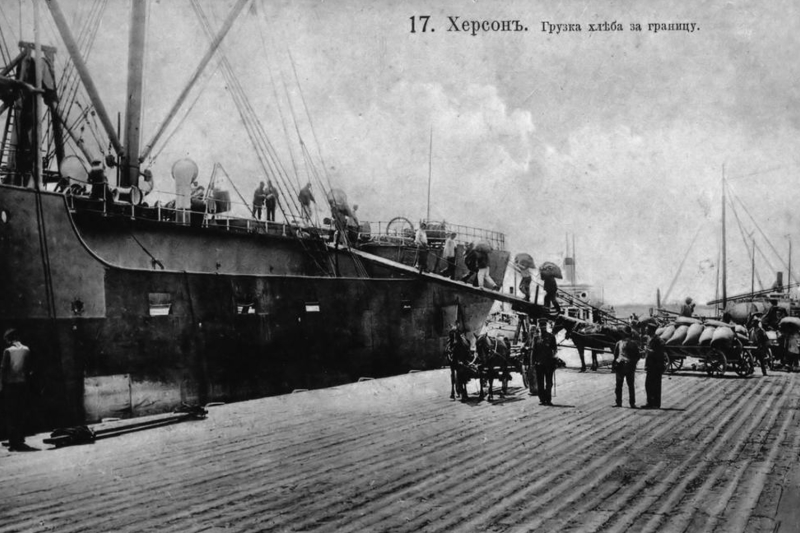
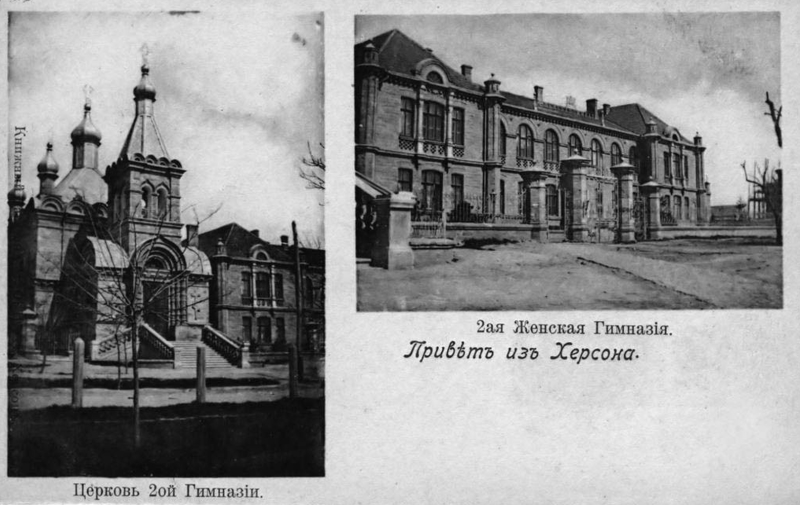
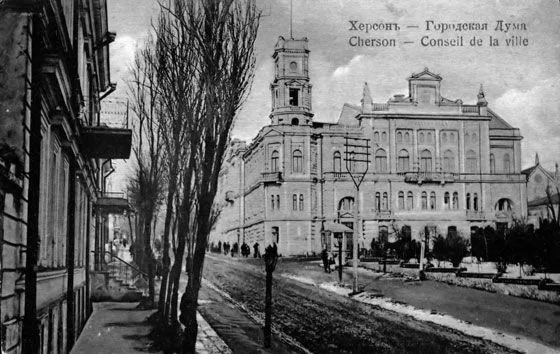
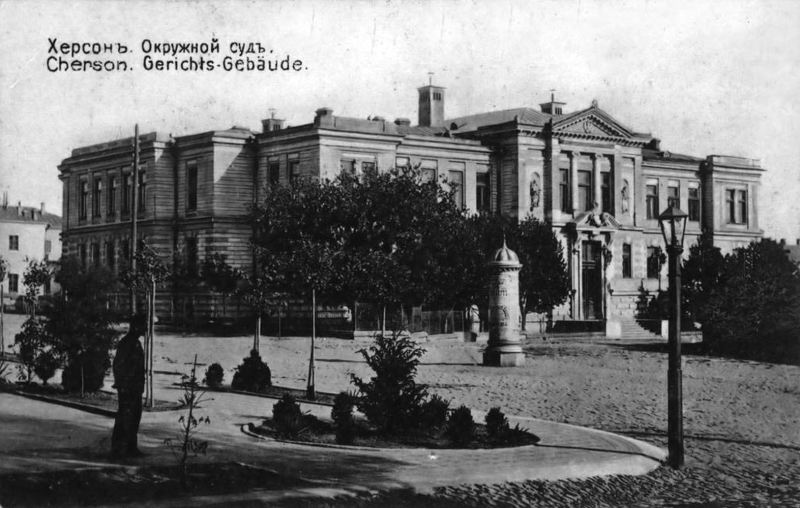
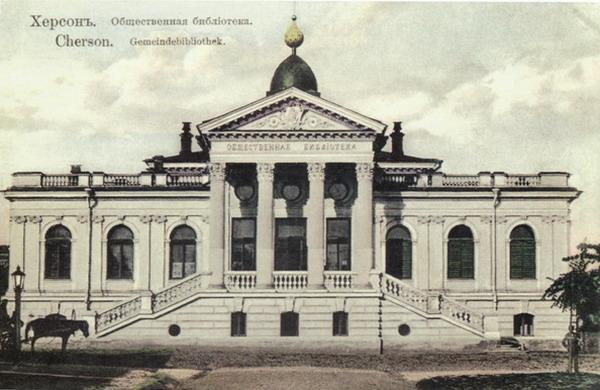
The Kherson material belongs to a later southern phase of the surname’s documentary history. Unlike the early Volhynian testament records or the Left-Bank Cossack-era attestations, the Kherson evidence appears in the setting of a Black Sea imperial city: a place of fortress administration, military service, maritime activity, legal institutions, municipal government, schools, libraries, newspapers, and civic associations.
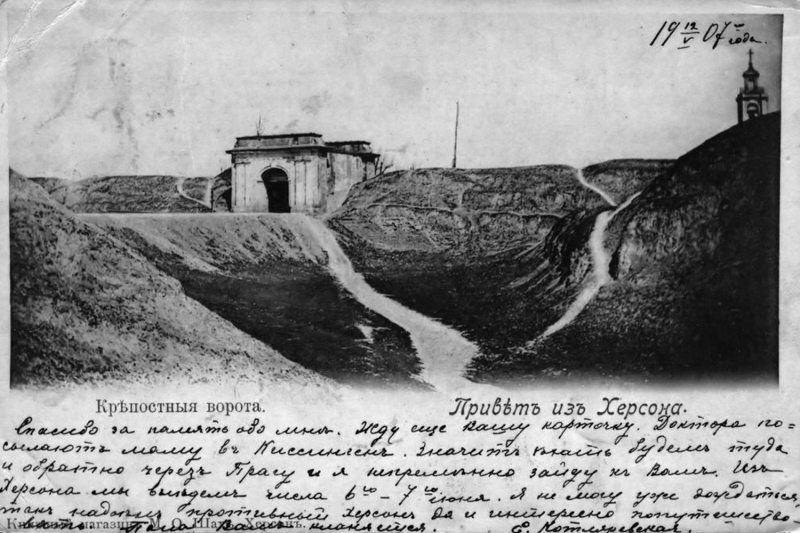
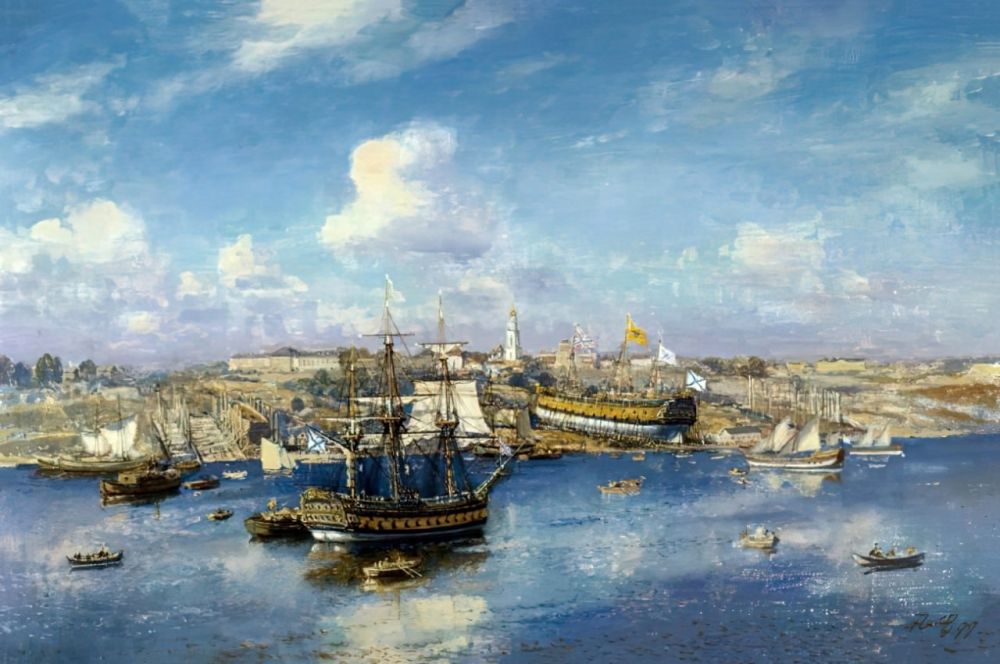
Kherson was founded in the late eighteenth century as a fortress, port, admiralty, and administrative center on the lower Dnipro. The fortress was laid in 1778 and developed as a major earthwork fortification, with artillery placed on its bastions and administrative and production buildings inside the fortified complex. The sea port was founded the same year, and in 1783 the fairway from the port to the sea was completed.
This setting matters for the family record. A soldier in Kherson in the early nineteenth century belonged to a city whose identity was still tied to fortress service, port activity, and imperial administration. The 1824 birth record of Feodor Zaichyk, son of Pavel and Evdokiia, therefore places the family inside Kherson’s early service world rather than in an older village parish setting.
At the same time, the city’s institutions were expanding. In 1813, Kherson established a public district primary school. In 1818, Denis Davydov founded a school for soldiers’ children in Kherson while serving as chief of staff of the 7th Infantry Corps of the 2nd Army quartered in the city. That educational setting gives family tradition about the sons of soldiers a plausible local context, even where the intervening generations are not fully preserved in the current record set.
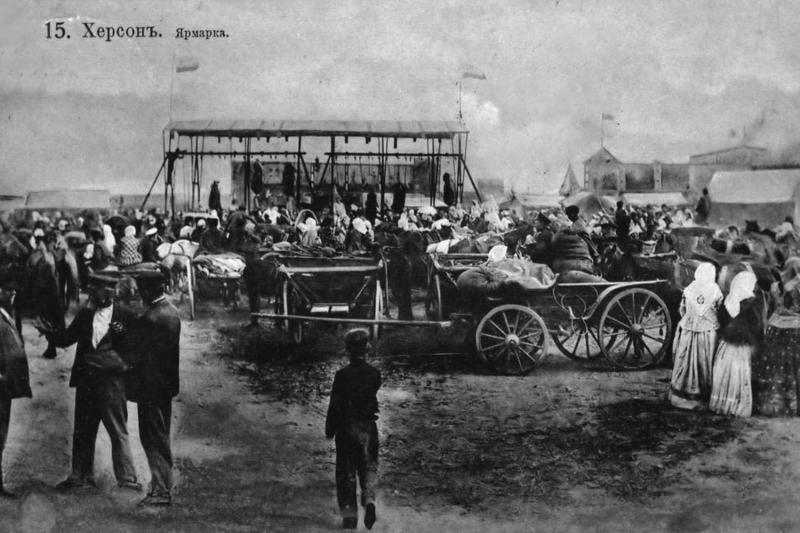
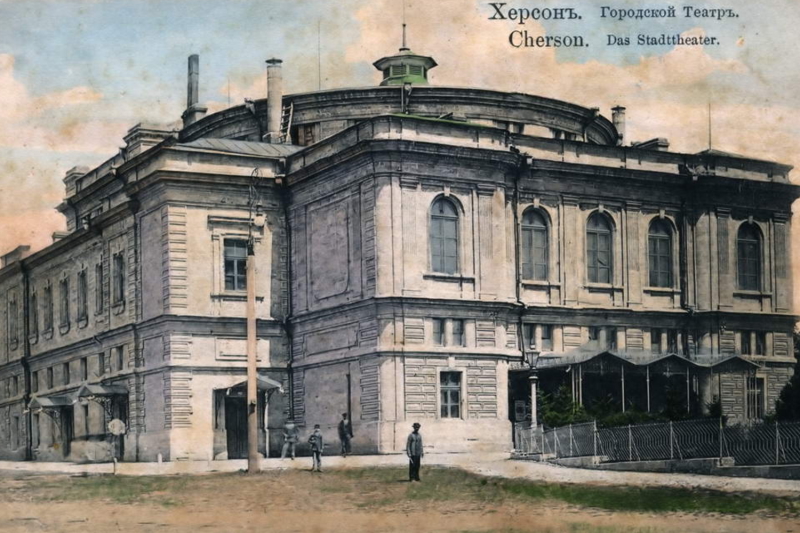
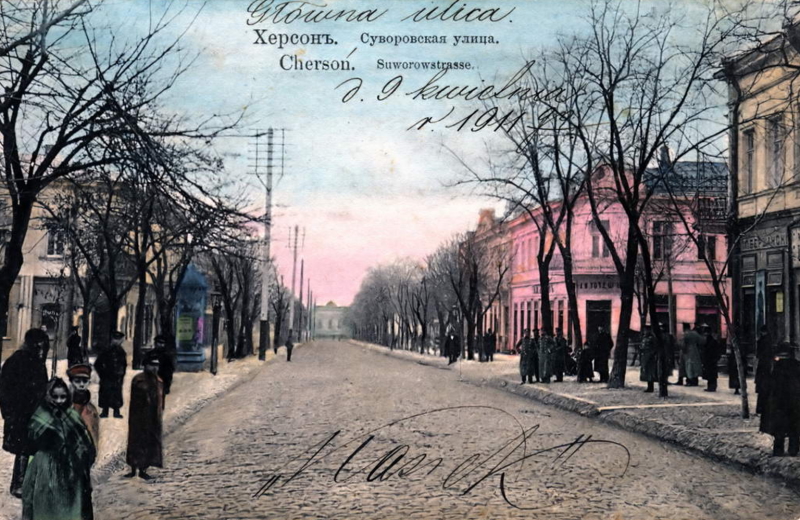
By the late nineteenth century, Kherson had developed the civic institutions visible in Sysoi Zaichyk’s records: courts, attorneys, city administration, an elected duma, public associations, a public library, newspapers, schools, and cultural organizations. The Kherson branch therefore preserves a distinctive kind of surname evidence: a movement from military-town records into the professional and civic institutions of a southern imperial city.